
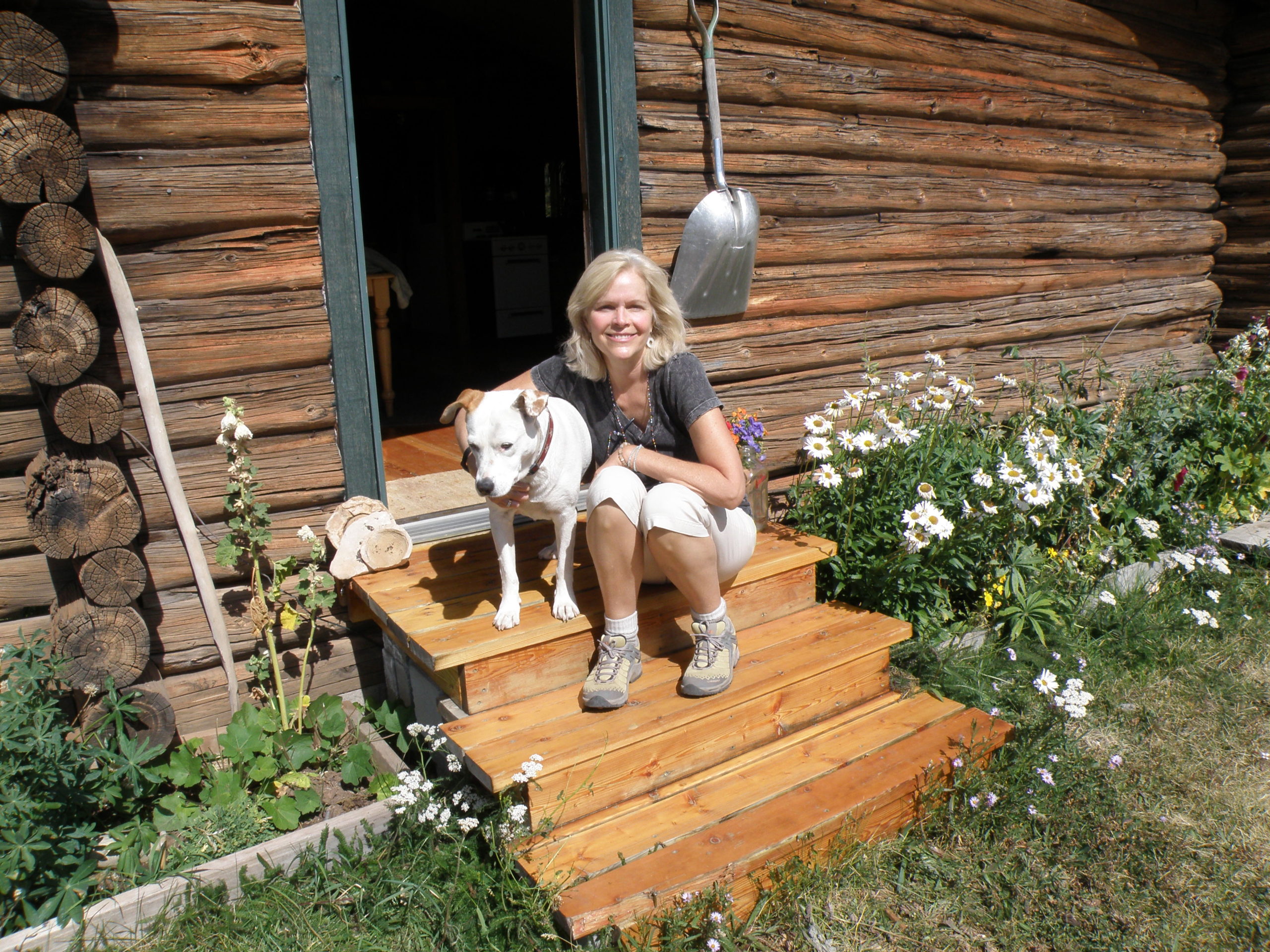
Living Close to Nature Is Not for Wimps
Note: This essay reflects on a formative year I spent living close to nature in a cabin in the Teton National Park; an experience that continues to shape how I understand connection, presence, and wildness.
Living close to nature has a way of stripping away illusions about comfort, control, and what we are capable of.
I learned this years ago, after leaving Santa Barbara, California—my home for twenty-four years—and spending a formative year living in a 100-year-old cabin in Moose, Wyoming. Tucked beneath the jagged, 13,000-foot peaks of the Tetons, on paper, the place sounded romantic. But in reality, it was a humbling, exhilarating, life-changing experience.
A Cabin Beneath the Tetons
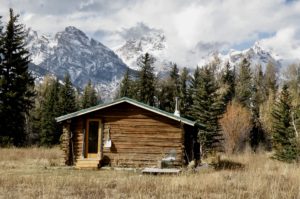
My temporary cabin home sat at the edge of Grand Teton National Park. Weathered and imperfect, it was the kind of place that creaks, groans, and makes its presence known in the night. Living there meant living without buffers. It was just the mountains, the weather, the wildlife, and me.
I’ve been charged by elephants and rhinos, stood close enough to lions to see flies on their blood-stained whiskers. I’ve hiked through the Amazon rainforest and crossed glaciers in the French Alps. In other words, I never thought of myself as a wimp.
And yet, living close to nature for that year in the Tetons kicked my butt and made me question my self-assessed wimp evaluation.
Living Close to Nature Is Demanding
The people who live around Jackson Hole are the fittest humans I know.
Going for a bicycle ride there involved long climbs, steep descents, blind corners, and warning signs announcing a steep grade ahead. The kind of signs meant for truckers across America, navigating mountain passes. Unlike on steep highways, the bike paths had no turnout ramps for runaway bikers like me.
Hiking wasn’t a stroll through the woods either. There were no flat trails where people wearing tennis shoes roamed while chatting casually. An easy hike there meant a minimum 1,000-foot climb. In winter, you’re post-holing through three feet of snow with space-age contraptions strapped to your feet. In summer, you’re scanning the tree line for grizzly bears.
Conversation was nearly impossible. At 6,200 feet, I was focused on breathing deep, deliberate breaths, demanding my full attention. Living close to nature requires presence. There is no autopilot.
Weather as a Teacher
I grew up in Florida and spent most of my adult life in sunny California. In other words, before moving to that cabin, I had no real concept of weather.
But living in the Tetons can whip any weather novice (ie, wimp) into shape. Fast. I often woke to snow, followed by bright sun and fifty-degree temperatures, then rain, hail the size of walnuts, and winds that rivaled hurricanes. All before nightfall.
Wyoming has more seasons than the standard four. There’s mud season (no explanation needed). Shoulder season. And those confusing in-between days when no one knows if spring has finally arrived, or is just a fluke part of winter, or has skipped us entirely that year.
Living close to nature means adopting a seize-the-moment attitude. You learn quickly that flexibility isn’t optional.
Wildlife and Awareness
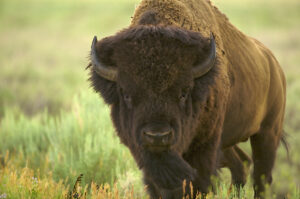 Nearly every day, elk, deer, fox, and moose wandered around my little cabin.
This region is often called America’s Serengeti, and the comparison isn’t an exaggeration. While I was living there, a mountain lion and her two cubs killed a neighbor’s dog. Three grizzly bears cruised the far side of the Snake River near my cabin. These weren’t stories. They were reminders that we were living close to nature.
One conservationist I admire most is Beverly Joubert. She has been living next to wildness for decades. You can read her amazing life story here.
Why the Tetons Feel Like Africa to Me
Africa taught me that wild places don’t bend for human convenience. They require humility, patience, and a willingness to meet discomfort head-on. The Tetons feel the same.
Nothing here is easy—and that’s precisely the point.
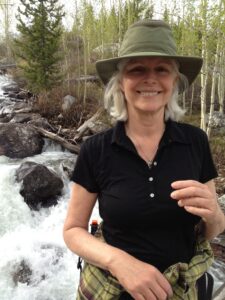 Over that year, my awareness sharpened. I didn’t step outside absentmindedly anymore. I paid attention. And listened. I carried bear spray. And I learned a deep respect for wildness and what it takes to live with it, rather than against or separate from it. I learned to show up ready and open for anything, day after day, knowing the mountains didn’t care how prepared I thought I was.
Not for Wimps—and Worth Every Bit of It
Living close to nature is not for wimps. But for those willing to be changed by it, it offers something increasingly rare: a daily reminder of what it means to be fully, wildly human.